Edgware rubbish removal near Edgware Tube Station
Posted on 19/06/2026
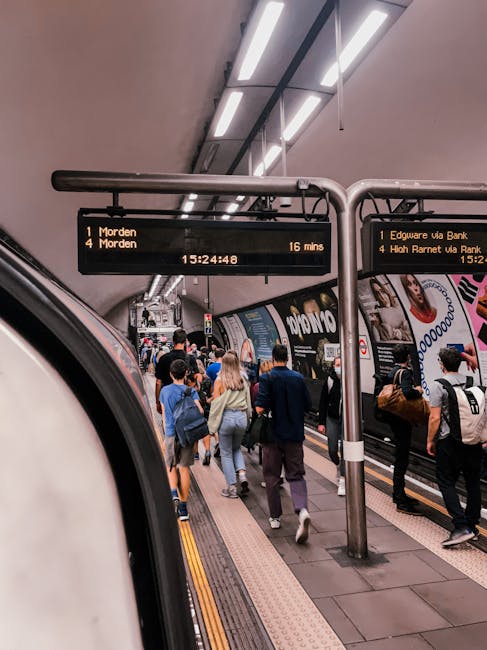
Edgware rubbish removal near Edgware Tube Station: a practical local guide for homes, flats and businesses
If you are dealing with a growing pile of clutter, a post-renovation mess, or a last-minute clear-out by the station, Edgware rubbish removal near Edgware Tube Station is one of those services that suddenly feels very necessary. You notice it most when bins are full, bulky items are awkward, and you need the space back now, not next week.
This guide explains how local rubbish removal works, what to expect, who it suits best, and how to avoid the usual headaches. We will also cover practical compliance points, sensible service comparisons, and a checklist you can use before booking. Nothing fluffy. Just the useful stuff, written for people who want the job done properly.
Why Edgware rubbish removal near Edgware Tube Station Matters
Areas around transport hubs have a particular rhythm. There is more foot traffic, tighter access, shared entrances, and less tolerance for mess sitting around. Near Edgware Tube Station, rubbish has a habit of becoming visible fast. A few bags left in the wrong place can look untidy, block access, and cause friction with neighbours or building managers. You know how it is - one awkward pile suddenly becomes everyone's problem.
For homes and flats close to the station, waste removal is not only about convenience. It is about keeping communal spaces clear, making moving day less chaotic, and avoiding the stress that comes with lifting heavy items down stairs or through narrow hallways. For shops, offices, landlords and tradespeople, it is even more practical: the wrong waste handling can disrupt customers, slow down operations, and make a site look badly managed.
There is also a timing issue. Busy local streets, loading restrictions, and the general stop-start pace of London traffic mean that rubbish removal near a station needs a bit of planning. A service that understands local access, lifting, parking and turnaround times can make the difference between a smooth job and a frustrating half-day.
Key takeaway: near a station, the value of rubbish removal is not just disposal. It is speed, access, tidiness, and reducing disruption for everyone sharing the space.
If you are also considering other clear-out needs in the area, it can help to look at a broader services overview so you can match the right type of removal to the actual job.
How Edgware rubbish removal near Edgware Tube Station Works
The process is usually simple, but the best results come from being clear about what you need removed and how accessible the property is. In plain English: the more accurately you describe the waste, the smoother the collection.
Typical rubbish removal follows a few straightforward steps:
- You describe the load. This might be mixed household rubbish, old furniture, broken appliances, builders' debris, or a full flat clearance.
- A collection plan is agreed. The provider considers access, parking, item size, number of staff needed, and likely loading time.
- The waste is removed. In many cases the team will lift items from inside the property, from a courtyard, or from kerbside if that is easier and safe.
- Sorting happens after collection. Reusable, recyclable, and non-recyclable waste are separated where possible.
- The site is left clear. The aim is to get the space back to normal without leaving you with follow-up mess.
Near Edgware Tube Station, logistics matter more than people expect. Apartments above shops, basement storage, rear access lanes and shared stairwells all add little complications. A good team will ask the right questions before arriving, because a five-minute booking conversation can save thirty minutes of awkward lifting later. Simple, but true.
For more general local waste support, it may be useful to understand the difference between rubbish collection in Edgware and full waste disposal in Edgware. One is often about removal and loading; the other can involve broader disposal needs across different waste types.
Key Benefits and Practical Advantages
People usually book rubbish removal for one obvious reason: they want the junk gone. Fair enough. But the better services deliver a few less obvious benefits that really matter day to day.
- Less lifting and less risk. Heavy wardrobes, old mattresses, fridges and renovation waste are awkward and can cause injury if moved badly.
- Faster turnaround. A team can clear in a short slot that might take you an entire weekend.
- Better use of space. Once clutter is gone, flats feel larger, shops feel cleaner, and storage areas become usable again.
- Reduced nuisance. No lingering piles in hallways, no bags in communal areas, and less chance of complaints.
- More suitable for mixed loads. A good removal service can handle a jumble of items without you having to sort everything first.
- More responsible disposal. If the provider has proper waste handling processes, items can be assessed for reuse or recycling rather than simply dumped.
One underrated advantage is emotional, honestly. People often underestimate how much mental clutter mirrors physical clutter. A clear room tends to feel calmer. There is a reason that first clean-up after a move or a renovation feels like taking a deep breath. The place changes. You change with it, a bit.
If sustainability matters to you, it is worth looking at a provider's recycling and sustainability approach. Not every item can be reused, but sensible sorting can reduce avoidable waste.
Who This Is For and When It Makes Sense
This kind of rubbish removal is useful for a wider mix of people than many assume. It is not just for people with a "big rubbish problem". It is for everyday situations that are simply too awkward, too heavy, or too time-sensitive to handle alone.
- Flat owners and tenants who need to clear unwanted items before a move-out, inventory check, or refurbishment.
- Landlords and letting agents dealing with end-of-tenancy clearances or abandoned belongings.
- Local businesses near the station that need a clean and professional-looking premises.
- Homeowners clearing a garage, shed, spare room, or renovation debris.
- Tradespeople and builders dealing with post-job waste that needs removing quickly.
- Families downsizing and sorting through furniture, white goods, and long-kept clutter.
It makes sense when the waste is too large for normal bins, when access is awkward, or when you need the area cleared before guests, buyers, tenants, or staff arrive. It also makes sense when the alternative is simply a long, tiring, stop-start job that will drag on for days.
If your clear-out is more specific, you may get a better result by using a tailored service such as furniture disposal in Edgware, white goods and appliance disposal, or builders waste disposal rather than treating everything as general rubbish.
Step-by-Step Guidance
If you want the process to run smoothly, a little preparation goes a long way. Here is a sensible way to approach it.
- List what needs removing. Be specific. Say "two sofas, one broken fridge, four bin bags, and a dismantled wardrobe" rather than "some stuff".
- Check access. Think about stairs, lifts, narrow hallways, rear entrances, parking constraints, and whether the items are on the ground floor or higher up.
- Separate anything you want to keep. It sounds obvious, but in a real clear-out, items can blur together surprisingly fast.
- Ask about loading method. Will the team remove from inside the property, outside, or from a shared yard? That matters near the station, where access can be tight.
- Confirm what happens to different waste types. Furniture, appliances, garden waste, domestic rubbish, and commercial waste may be handled differently.
- Agree the booking details. Make sure the timing works around building rules, traffic, and neighbours.
- Prepare the space. Move small items out of the way if you can, unlock necessary doors, and make sure someone is available if the team needs directions.
Here is the thing: a lot of waste removal friction comes from uncertainty, not the waste itself. If the provider arrives and has to guess where the items are, where the exit is, or whether there is parking space nearby, the job slows down. Clear information in advance saves everyone time.
For bigger clear-outs, you may also want a broader service such as house clearance in Edgware or office clearance, especially if the rubbish is mixed with reusable items and furniture.
Expert Tips for Better Results
After enough clear-outs, a few patterns become obvious. The jobs that go well are usually the ones where the customer takes ten minutes to think like a loader, not just like a homeowner or manager.
- Measure bulky items before the day. A quick measurement of a sofa, fridge or wardrobe helps avoid surprises on the stairs.
- Photograph mixed waste piles. Pictures often help explain volume better than a hurried description.
- Keep walkways open. Even half a metre of extra clearance can make lifting safer and quicker.
- Separate hazardous or specialist items early. Don't leave paint tins, chemicals, or unknown materials in with normal waste.
- Book before a deadline if possible. Moving out tomorrow morning is not ideal. It happens, of course, but it is not ideal.
- Ask how the provider handles recycling. Responsible sorting is a good sign of a well-run operation.
A tiny bit of planning often saves a very human kind of chaos: the "where does this even go?" moment, followed by silence, then a lot of dragging things back and forth. We have all seen that scene. Better to avoid it.
For service quality, it can also help to understand the provider's general standards by reviewing insurance and safety information and about the company. A trustworthy operator should be clear about how they work and how they protect both people and property.
Common Mistakes to Avoid
Most problems with rubbish removal are preventable. Some are minor annoyances; others can cost time and money. Better to dodge them early.
- Underestimating the volume. What looks like "a few bags" can easily become a van-load once sorted.
- Leaving access vague. If there is no parking nearby or the entrance is tricky, say so upfront.
- Mixing all waste types together without warning. Furniture, electrical items, and builders' waste can require different handling.
- Forgetting building rules. Some blocks have lift booking windows, access restrictions, or noise considerations.
- Assuming everything will be recycled automatically. Sorting depends on the type and condition of the waste.
- Waiting until the last minute. The day before a move is a stressful time to discover a broken bed frame and three old cupboards.
One more thing: do not leave items on the street just because it feels easier. That can create a mess, cause complaints, and make collection more complicated. Not worth it.
Tools, Resources and Recommendations
You do not need a specialist toolkit to arrange rubbish removal, but a few simple things make the process much easier. Nothing fancy. Mostly common sense, really.
- Phone camera: good for quick photos of bulky waste or access points.
- Tape measure: useful for doors, stair corners and oversized items.
- Marker labels or notes: helpful if some items are staying and some are going.
- Basic gloves: sensible if you are moving loose items before collection.
- Clear shortlist of items: a written list avoids confusion on the day.
For readers comparing related services, these pages can be useful starting points: domestic waste collection in Edgware, waste clearance in Edgware, and garden waste removal in Edgware. They help if your needs are narrower than general rubbish removal.
If payment certainty matters to you, take a moment to review payment and security details and pricing and quotes guidance. Clarity early on is always better than awkwardness later.
Law, Compliance, Standards, or Best Practice
Rubbish removal is not just a lifting job. It sits inside a framework of waste handling responsibilities and environmental best practice. You do not need to memorise the legal detail, but you should expect a provider to work responsibly and to explain what they do with collected waste.
In UK practice, a legitimate waste carrier should be able to demonstrate compliance, handle waste safely, and keep it out of the wrong places. That means proper transfer and disposal arrangements, sensible handling of recyclable material, and no vague "we'll sort it later" approach. If a provider cannot explain where the waste goes in general terms, that is a warning sign.
For customers, the practical takeaway is simple:
- Use a provider that can clearly describe its waste handling process.
- Make sure the service is appropriate for your waste type.
- Do not hand over hazardous or unusual items without asking first.
- Keep records if you are a landlord, business, or managing agent.
Businesses and letting professionals near the station often have extra responsibilities because they generate waste in a shared urban environment. In those cases, using a structured service such as commercial waste removal in Edgware can be more suitable than a one-off domestic style clear-out.
Best practice also includes respecting neighbours, avoiding obstruction, and planning collections so that communal areas stay safe. Small things matter. A clear corridor, a tidy entrance, a sensible booking time. Those details are what keep a job smooth.
Options, Methods, or Comparison Table
There are several ways to deal with unwanted rubbish around Edgware Tube Station. The best one depends on the size, type, urgency, and location of the waste.
| Method | Best for | Pros | Limitations |
|---|---|---|---|
| DIY disposal | Very small, light loads | Low direct cost, flexible timing | Time-consuming, physically demanding, may require multiple trips |
| Local council-style disposal arrangements | Routine domestic waste in small quantities | Simple for everyday rubbish | Not ideal for bulky, mixed, or urgent clear-outs |
| Specialist rubbish removal | Bulky, mixed, urgent or awkward loads | Fast, convenient, better for access issues | Usually more expensive than doing nothing - which, to be fair, is not a proper option anyway |
| Dedicated clearance service | Whole-room, whole-property or business clear-outs | Good for larger projects and mixed contents | May be more service than you need for a small pile |
For larger furniture-heavy jobs, the answer is often a dedicated approach rather than generic rubbish collection. That is why services like furniture removal in Edgware and loft clearance can be more efficient when the clear-out has depth, not just volume.
And if your project is tied to a renovation or end-of-tenancy reset, comparing options early helps you avoid paying for a service that is either too small or unnecessarily broad. A bit of judgement goes a long way.
Case Study or Real-World Example
Here is a realistic example based on the sort of work that comes up around transport-adjacent properties.
A small rented flat a short walk from Edgware Tube Station had accumulated a mix of items after a tenant move: two bedside cabinets, a broken office chair, several black bags, an old microwave, and bits of packaging from new furniture. The hallway was narrow, the building had shared access, and the landlord wanted the flat cleared before the next viewing.
Instead of trying to do it in stages over a few evenings, the landlord arranged a single collection. The key to making it easy was preparation: the items were grouped in one room, the access route was kept open, and the collection time was scheduled around the building's quieter period. The job itself was straightforward once the clutter was separated and the team could move efficiently.
What made the difference was not brute force. It was clarity. The removal team knew what they were collecting, the client knew what was staying, and the flat was back to a presentable state quickly. A simple job, yes, but those simple jobs are often the ones people are most relieved to finish.
For similar situations involving end-of-tenancy contents, you might also find house clearance in Edgware useful where the load is mixed and time is tight.
Practical Checklist
Use this checklist before booking or on the morning of collection. It keeps things tidy and reduces back-and-forth.
- List every item that needs removing.
- Separate items you want to keep.
- Take photos of bulky or awkward waste.
- Measure large furniture if access is tight.
- Check whether stairs, lifts, or rear access are involved.
- Confirm parking or loading access near the property.
- Ask whether appliances, mattresses, or mixed waste need special handling.
- Make sure communal areas are not blocked.
- Keep hazardous materials out of the pile unless you have specifically checked they can be taken.
- Choose a collection window that fits around neighbours, tenants, or business hours.
If you can tick most of these off, the removal is usually much smoother. It sounds basic because it is basic. That is the point.
Get a free quote today and see how much you can save.
Conclusion
Edgware rubbish removal near Edgware Tube Station is about more than getting rid of junk. It is about access, speed, safety, and keeping a busy local area moving without unnecessary disruption. Whether you are clearing a flat, sorting out a business premises, or tackling a one-off bulky waste problem, the right approach saves time and reduces stress.
The best results usually come from a straightforward plan: know what needs removing, understand the access, choose the right type of service, and work with a provider that handles waste responsibly. Nothing dramatic. Just the right method for the job.
And if you are standing in a room wondering how it got this messy in the first place, well, you are not alone. Most people have that moment. The good news is it does not have to stay that way for long.
A clear space can feel like a fresh start. Sometimes that is exactly what you need.

 Tipper Van - Waste Disposal and Rubbish Removal Prices in Edgware, HA8
 Luton Van - Waste Disposal and Rubbish Removal Prices in Edgware, HA8