What Barnet Council rubbish rules mean for Edgware homes
Posted on 24/08/2026
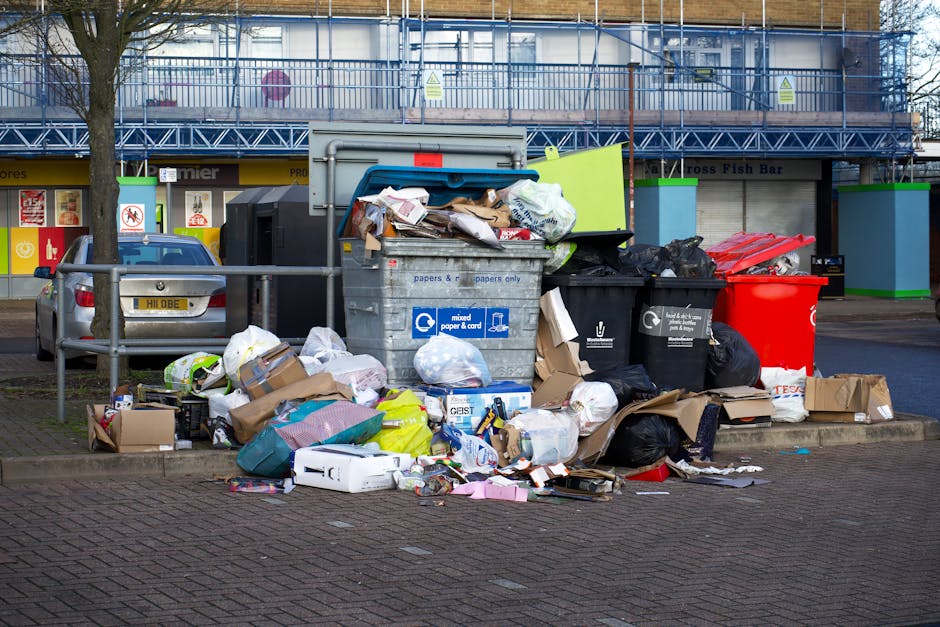
If you live in Edgware, rubbish rules can feel simple right up until they suddenly are not. One extra bag on the pavement, a missed collection, a broken fridge in the hallway, and the whole thing becomes a headache. Understanding what Barnet Council rubbish rules mean for Edgware homes helps you avoid fines, keep the street tidy, and make better decisions when you need anything from a quick bin clear-out to a bigger household disposal job. It also saves time. And honestly, who wants to spend a Saturday morning wondering whether a mattress can go out with the normal rubbish?
This guide breaks the topic down in plain English: how local collection rules usually affect homes in Edgware, what to do with bulky waste and garden cuttings, where people go wrong, and how to stay on the right side of compliance without overcomplicating it.
Why What Barnet Council rubbish rules mean for Edgware homes Matters
For Edgware households, local rubbish rules shape day-to-day life more than people expect. They affect what you can place out, when you can place it out, and how you should handle awkward items such as appliances, renovation debris, or garden waste. If you ignore those rules, you can end up with overflowing bins, an untidy front path, or a collection refused at the kerb. None of that is ideal in a busy London suburb where space is already tight.
There is also the neighbour factor. In terraced streets, maisonettes, and shared-access roads, one household's rubbish can quickly become everybody's problem. Bags left out too early attract animals. Mixed recycling leads to contamination. Large items left on the pavement can block walking space. It sounds obvious when written down, but in real life these are the exact little things that create friction.
Edgware homes also cover a wide range of property types. You have flats, family houses, converted buildings, and some homes with very limited storage for waste. That means the same rule can feel straightforward for one household and awkward for another. A small flat on a narrow road does not have the same rubbish rhythm as a house with a decent side return and a garden shed. Different setup, different pain points.
If you have ever had a loft clear-out, a garden tidy, or a kitchen replacement, you will know the general bin collection system only goes so far. That is where a better understanding of local waste expectations pays off. It helps you decide whether to separate waste for council pickup, book a private collection, or use a specialist service for heavy or awkward materials. For broader home and clearance support, it can also help to understand the scope of the available waste services in Edgware before you start piling things by the front door.
Practical takeaway: The rubbish rules matter because they affect tidiness, neighbour relations, collection success, and whether your waste is handled legally and safely. That is the whole game, really.
How What Barnet Council rubbish rules mean for Edgware homes Works
At a basic level, local rubbish rules cover three things: what goes in which container, when it should be put out, and what happens to items that do not fit the normal household collection model. In Edgware, that means you need to think about mixed waste, recycling, food waste, garden waste, bulky items, and special items separately rather than as one big "bin problem".
Most households are dealing with a rhythm rather than a one-off decision. Bin days, storage space, and the type of waste produced all matter. If you are renovating, moving, decluttering, or simply living through a very busy family week, the usual pattern gets disrupted quickly. That is where a little planning saves a lot of mess.
Here is the simplest way to think about it:
- General household waste is for items that cannot be recycled through the usual local collections.
- Recycling should be kept clean and separated, because contaminated loads may be rejected.
- Food waste and garden waste, where collected separately, should not be mixed with ordinary rubbish.
- Bulky items like furniture, mattresses, or appliances often need a separate arrangement.
- Construction and DIY waste is usually treated differently from day-to-day household rubbish.
The tricky bit is that many people assume "if it fits, it goes out." That is not always the case. Weight, material type, and collection method matter too. A small pile of broken tiles can be a bigger issue than a larger pile of paper because it behaves differently in collection and disposal.
For Edgware homes, the practical question is often not "what is allowed in theory?" but "what is the cleanest and least stressful way to deal with this pile?" That might be a council route for standard waste, or a private collection for heavy items and larger clearances. If you are working through a home clear-out, services such as house clearance in Edgware or loft clearance support can be much more practical than trying to force everything into normal bins.
One more thing: bin presentation matters. Containers usually need to be put out correctly, on the correct day, and not left blocking access longer than necessary. That sounds minor until windy weather, rain, or an early collection changes the picture. In London, little details like that make a real difference.
Key Benefits and Practical Advantages
Following the rules properly is not just about avoiding trouble. It genuinely makes home life easier. The benefits are simple, but they stack up fast.
Cleaner kerbside presentation
When waste is sorted and timed properly, your street looks better. That matters for everyday pride, but it also matters when you are hosting, selling, renting, or simply trying to keep things civil with neighbours.
Fewer failed collections
Collections are easier when the right materials are in the right place. If bins are overloaded or contaminated, a crew may not take them. Then you are left with the same mess for another week. Nobody wants that.
Better recycling outcomes
Separation makes a difference. Clean recycling is easier to process than mixed waste, and that is good both practically and environmentally. If you care about waste going where it should, a tidy sorting habit is the small thing that helps most.
Less stress during clear-outs
Sorting waste properly reduces last-minute panic. You know what stays, what goes out with normal collections, and what needs another route. That clarity is especially helpful during moves, renovations, bereavements, or big seasonal declutters.
Safer handling of awkward items
Old appliances, broken furniture, and builders' rubble can be heavy, sharp, or awkward to move. Good waste practice reduces the chance of injury and avoids dragging unsafe items through hallways or stairs. That point gets overlooked far too often.
If you are comparing different disposal approaches, it can help to review a service that fits the waste type rather than trying to make one method do everything. For example, separate support for white goods and appliance disposal or builders' waste disposal can be the difference between a smooth job and a very annoying Saturday.
Who This Is For and When It Makes Sense
This subject is useful for almost every Edgware household, but some people need it more urgently than others. If any of the scenarios below sound familiar, pay attention.
- Homeowners who are doing a declutter, garden clean-up, or renovation.
- Tenants who need to leave a property clean and avoid charges or disputes.
- Landlords preparing a property between occupiers.
- Families with high weekly waste output and limited storage space.
- Older residents who want a simpler, safer disposal route for heavy or awkward items.
- People moving house who are cutting back on clutter before packing.
- Anyone with bulky items that do not belong in the standard bin system.
There is also a strong case for understanding the rules if you are in a busy stretch of Edgware where parking, access, and pavement space are already tight. A pile of bagged waste outside a property can seem harmless in the evening and messy by the morning. The same goes for leave-it-for-later habits; later has a way of becoming next week.
When it makes sense to bring in help depends on the volume and type of waste. A couple of standard bags? Fine, you may not need anything beyond normal collection rules. But if you are dealing with a garage clear-out, broken furniture, or renovation materials, a specialist collection can save time and reduce risk. For household collections, domestic waste collection in Edgware is often the straightforward route when the usual bin system is not enough.
And if you are curious about local living patterns more broadly, articles like a local's review of life in Edgware or Edgware real estate buying tips can help you see how day-to-day property decisions tie into storage, access, and waste management. It all connects more than people realise.
Step-by-Step Guidance
Let's make this practical. If you want to handle household rubbish the right way in Edgware, use this simple process.
- Identify the waste type. Separate general rubbish, recycling, food waste, garden waste, electrical items, furniture, and building debris.
- Check what can wait for normal collection. If the waste is ordinary and manageable, keep it in the standard stream. Do not overcomplicate easy stuff.
- Sort out bulky or special items early. Appliances, mattresses, old sofas, and renovation waste usually need a different route.
- Measure the volume honestly. People underestimate this all the time. One "small pile" can turn into four bags, a lamp, a broken chair, and half a DIY shelf.
- Decide whether you need a council route or a private service. Normal household collections suit standard waste; larger or awkward clear-outs may need specialist help.
- Prepare access. Move items to an easy pickup point where possible, but keep walkways safe and do not block shared areas.
- Follow local timing and presentation rules. Put containers out when required, not hours or days early.
- Use a lawful carrier for anything beyond a simple bin day. That helps protect you if the waste is traced later. More on that below.
Here is a common real-world example. A family clears a spare room on a Sunday. Old toys go for donation or recycling, a broken wardrobe needs removal, and a few bags of general waste remain. If they stack everything together, the job becomes messy quickly. If they split the load at source, they can deal with each stream properly and finish faster. Simple, but effective.
For bigger jobs, a service like waste clearance in Edgware or furniture removal can remove the strain. And when timing matters, some people look at same-day rubbish collection in HA8 or a local route near Edgware Tube Station to get things cleared without living around a pile for days.
Expert Tips for Better Results
After years of seeing the same problems crop up, a few habits stand out as genuinely helpful. Not glamorous. Very useful.
- Start sorting before the pile grows. Do not wait until the hallway looks like a storage unit exploded.
- Keep recycling clean and dry. Contamination is one of the easiest ways to cause a failed load.
- Take photos of bulky items before booking disposal. It helps avoid confusion and makes quoting or planning easier.
- Set aside electricals separately. Cables, chargers, kettles, and small appliances often need different handling.
- Flatten boxes and break down packaging. Small effort, big payoff.
- Do not mix DIY waste with normal rubbish. Bricks, plaster, tiles, and timber can change the disposal method entirely.
- Keep your front path clear. A tidy staging area is safer and makes collection simpler.
A small tip that often helps: do the sorting in daylight if you can. Around 7pm in winter, with the kitchen lights on and the back door half open, it is very easy to misjudge what is what. You end up binning something you meant to keep. Slightly annoying. Happens all the time.
If you want a greener approach, it can also be worth checking how a provider handles reuse and recovery. For households that care about sustainability, recycling and sustainability practices are not just a nice extra; they should be part of the decision.
Common Mistakes to Avoid
Most rubbish problems are caused by a few repeat mistakes. Once you know them, they are easy enough to dodge.
Leaving waste out too early
People often think, "I'll put it out tonight so I don't forget." Then the bag sits there in the rain, the seagulls or foxes notice, and the pavement looks untidy by breakfast. Better to follow the correct timing.
Overfilling bags and bins
Overstuffed bags split. Heavy bins become unsafe to move. Collections can be refused. It is a lose-lose situation.
Mixing too many waste types
One bag of mixed rubbish may seem efficient, but it can make recycling impossible and complicate removal. Separate as much as practical.
Ignoring bulky item rules
A sofa is not just a larger bag. It is a different waste category in practice, even if it feels like one more thing to get rid of.
Using an unverified carrier
This is a serious one. If someone removes your waste unlawfully and it is traced back, you may still face trouble. Not fair, but that is the reality of duty of care.
Forgetting shared access issues
In blocks or terraced streets, one resident's rubbish placement can block others. That creates avoidable conflict. Nobody needs that at 8am.
If you are hiring help, use a provider that is open about disposal, security, and process. Pages like waste carrier licence and compliance, insurance and safety, and terms and conditions can be useful signals of how carefully a company works. A little boring? Maybe. Still worth checking.
Tools, Resources and Recommendations
You do not need fancy gear to manage household rubbish well, but a few tools make life easier.
- Sturdy bin liners for separating waste before collection day.
- Marker pens or labels to mark recycling, reuse, and disposal piles.
- Heavy-duty gloves for lofts, gardens, and broken items.
- A sack trolley or small dolly if you are moving awkward furniture pieces safely.
- Box cutters and tape for flattening packaging and breaking down cardboard.
- Measuring tape if you need to estimate the volume of waste for a clearance.
For recommendations, the best one is to plan waste removal at the same time as you plan the job itself. Renovating a kitchen? Arrange rubble disposal before the tiles come off. Clearing a garden? Decide where branches, soil, and general rubbish will go before you start. That kind of planning saves double handling, which is always the real time thief.
If you are deciding between a few removal types, you may find it helpful to compare dedicated options such as garden waste removal, furniture disposal, or builders waste disposal rather than trying to force everything into one generic approach. Matching the service to the waste usually gives the cleanest result.
Law, Compliance, Standards, or Best Practice
When rubbish rules touch household behaviour, the safest approach is to treat them as both a practical and compliance matter. In plain terms, your waste should be presented properly, handled safely, and transferred only to a legitimate carrier when it is being taken away outside your normal household collection.
In the UK, householders have a duty of care over their waste. You do not need to become a legal expert, but you do need to be sensible. If you pay someone to take waste away, make sure they are legitimate and that you are comfortable with how the waste will be handled. That is especially important for mixed loads, furniture, appliances, and renovation waste.
Best practice also means reducing contamination. Clean recycling is easier to process. Bagged general waste should not be mixed with sharps, liquids, or loose hazardous materials. Electrical items should not be left with ordinary rubbish if they need separate handling. And if there is anything sharp, heavy, or awkward, protect people moving it.
For domestic households, the biggest compliance risk usually comes from:
- leaving waste in the wrong place or at the wrong time;
- using a non-compliant waste remover;
- dumping items that should be separated;
- ignoring shared-access or pavement obstruction issues;
- failing to dispose of bulky items appropriately.
The standards are not there to make life difficult. They exist to keep streets usable, protect workers, and make waste tracking possible. A sensible home routine goes a long way.

Options, Methods, or Comparison Table
Different waste types call for different methods. This is where people save the most time by choosing the right route from the start.
| Waste situation | Best approach | Why it works |
|---|---|---|
| Ordinary weekly household waste | Normal council collection | Simple, low effort, and suited to routine rubbish |
| Clean recycling | Separate recycling collection | Reduces contamination and improves processing |
| Bulky furniture | Specialist furniture removal or clearance | Safer than trying to manage it as normal waste |
| Old appliances | Dedicated appliance disposal | Better handling of electrical and heavy items |
| Garden cuttings and soil | Garden waste collection | Keeps organic waste separate from general rubbish |
| Rubble, plaster, tiles | Builders waste disposal | Handles heavy construction material properly |
| Full-home declutter | House clearance or waste clearance | More efficient when there are multiple waste streams |
The main decision is usually between convenience and control. Council collections are great for routine waste. But when the job is bigger, a specialist route gives you more certainty and less lifting. If you need a local team to manage the whole thing, rubbish collection in Edgware or waste disposal in Edgware can be a more direct answer than trying to solve everything with the black bin.
Case Study or Real-World Example
Here is a realistic example based on the kind of household jobs that come up all the time in Edgware.
A family in a semi-detached home decides to clear the loft before a new baby arrives. They start with good intentions, then quickly find old toys, broken suitcases, a disused bedside table, two bags of mixed rubbish, and several electrical bits that have been sitting there for years. The loft is dusty, warm, and awkward to move around in. By the time they finish, the landing looks like a small warehouse.
At first, they try to place everything together for one collection. That is when they realise the waste is actually four different jobs: general waste, furniture, electrical items, and bulky junk that needs proper removal. Once they separate the load and arrange the right support, the clear-out becomes manageable. The whole job takes less time, the front path stays tidy, and they avoid dragging broken furniture through the stairs in a rush. A dull story on paper, perhaps, but very familiar in real life.
That is the point of understanding local rubbish rules. It helps you pause at the right moment and say, "Hang on, this shouldn't all go in one pile." That one thought can save a lot of hassle.
Practical Checklist
Use this before your next rubbish clear-out in Edgware.
- Have I separated recycling from general waste?
- Do I know which items need special handling?
- Are bulky items too large for normal collection?
- Have I checked collection timing and placement rules?
- Is the access route safe and clear?
- Have I avoided overfilling bags and bins?
- Do I know whether a specialist service is more appropriate?
- Have I chosen a lawful waste carrier if someone else is collecting it?
- Are sharp, heavy, or hazardous items stored safely?
- Have I planned for the waste stream that always gets forgotten, usually cardboard or old packaging?
That last one sounds small, but cardboard has a habit of multiplying after a clear-out. One box becomes five. Then ten. Then you are standing there wondering where the cupboard came from. It happens.
Conclusion
For Edgware homes, Barnet Council rubbish rules are really about order, safety, and making everyday waste easier to manage. Once you understand the basics, the whole process gets simpler. You know what belongs in normal collections, what needs separating, what should be left for specialist handling, and where the usual mistakes happen. That means less clutter, fewer missed collections, and fewer annoying surprises at the kerbside.
If you remember one thing, let it be this: match the waste to the right route. Routine household rubbish can stay routine. Bulky, awkward, or mixed waste often needs a better plan. And the better the plan, the less stressful the job. Simple as that, really.
Get a free quote today and see how much you can save.
When you handle rubbish properly, your home feels calmer, your street feels tidier, and the whole week runs a little smoother. Not a bad outcome for something as unglamorous as waste, is it?

 Tipper Van - Waste Disposal and Rubbish Removal Prices in Edgware, HA8
 Luton Van - Waste Disposal and Rubbish Removal Prices in Edgware, HA8